
The ephemeral nature of an Instagram story means I can’t recall the exact wording of what lured me in to my book group. All I remember is that an online friend was looking to start a book group in Glasgow that would meet once a month, in a different restaurant each time and was to be called Feast and Fiction. I had only recently moved back to Scotland from London and thought ‘Great, I get to read books and eat nice food, and maybe make a few new friends.’ It did do all of that as well as also, unexpectedly, shaping Under the Hammer, my debut novel, into the book it is today.
When I joined Feast and Fiction, I had just started writing Under the Hammer. I had a clear vision of what that book would be about: woman kills landlords from the telly. But during the writing, book group choices nudged me to consider how what I was writing would fit into the wider literary landscape and what made my book my book, and not just one of many.
Very early on in the writing process, I went on a Creative Scotland funded retreat to Moniack Mhor where we had to pitch our novels to the tutors there. I remember explaining Under the Hammer – its premise, its tone – and I was able to do it entirely through book group choices. In particular A Certain Hunger by Chelsea G. Summers, a book about a woman who kills men who have wronged her and eats them and Patricia Wants to Cuddle, set during the filming of a The Bachelor-type show, where a giant gorilla picks off the contestants one by one. Neither was exactly the book I was writing but each helped me articulate what mine was. A Certain Hunger showed me how to write a female protagonist doing bad things, someone you root for even when what she’s doing is distasteful. Patricia Wants to Cuddle gave insight into handling how to utilise the language and archetypes of a well-known television format within a novel.
Amongst the many, many pieces of advice you encounter as an emerging writer, one that is repeated often is: to be a good writer, you need to read widely. I believed I already did that, I’m not a particularly genre-bound writer – I read all kinds, as long as I like the sound of the story. But there are topics that would never pique my interest no matter the plot. Vampires. Monsters. Haunted houses. All of which I have now read and enjoyed because of book group via Rachel Harrison’s So Thirsty, Kelly Link’s The Book of Love and Grady Hendrix’s How to Sell a Haunted House.
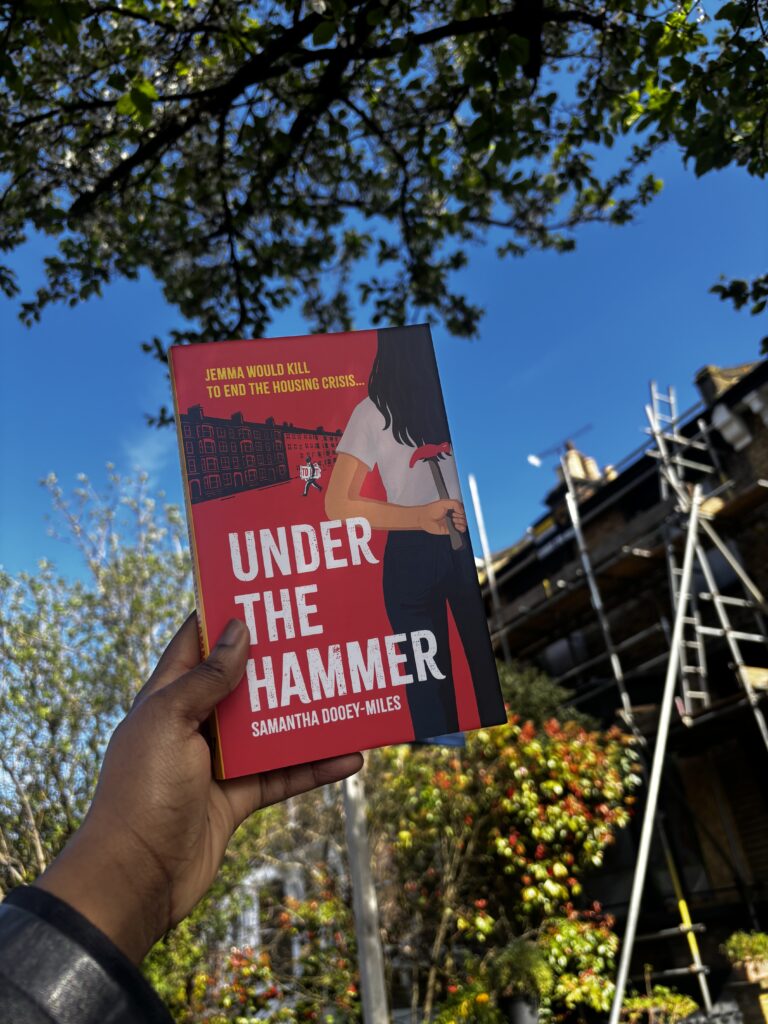
We pick the book we read via a poll in our Instagram chat which means some months I read the book I fancy, others I do not. It’s interesting to be handed a book I’m not overly interested in reading and then having to read it. That absence of desire leads to the act of reading the book group choice through analysis – a questioning of why something does or doesn’t appeal, how it matches my expectations, whether the blurb is misleading, whether the cover matches what is inside, if it has won me over as a reluctant reader. All of that was extremely helpful knowledge to have stored when writing Under the Hammer and then subsequently during conversations about how it would be marketed. I found myself considering the cover VERVE had commissioned, the blurb, and asking: how would book group react to this? So, based on no empirical evidence – just vibes – I believe as the old adage says, yes, reading outside of my general interests has made me a better writer and also prepared me well for being an author who is published and has to deal with concerns outwith my own head and perception of the work.
The point of a book group is also to socialise as well as to read and here, again, book group has benefited my writing. For one thing. I don’t believe you can write interesting books if you don’t surround yourself with interesting people – luckily book group is filled with them. Not that any character I’ve written is drawn directly from my own life, but details linger – a way of speaking, a flick of an eyebrow, the kinds of people a person can quietly be. Meeting folk I would not encounter in my every day life inform the writing, reaffirm what makes some characters ‘real’ on a page and others not.
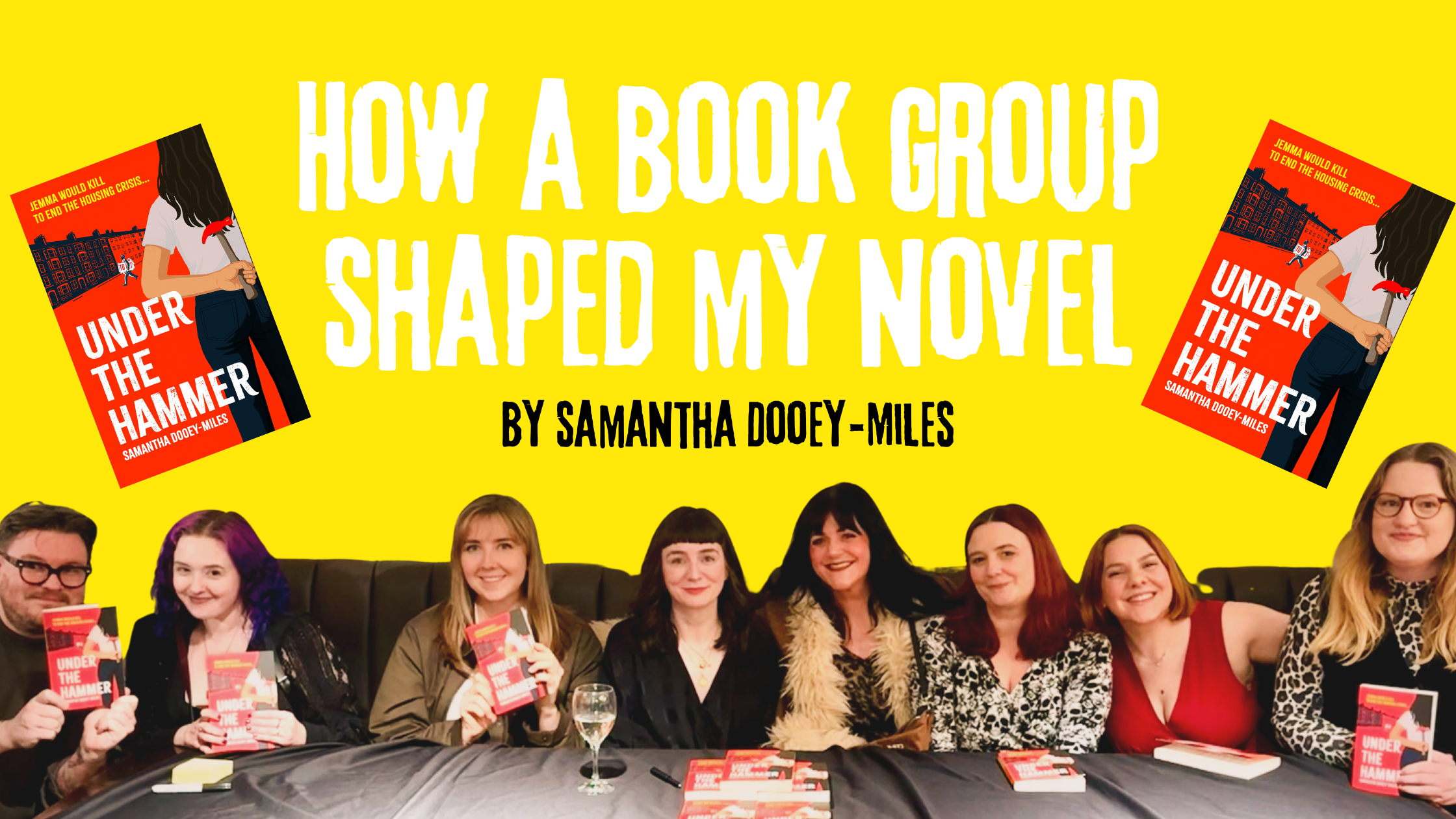
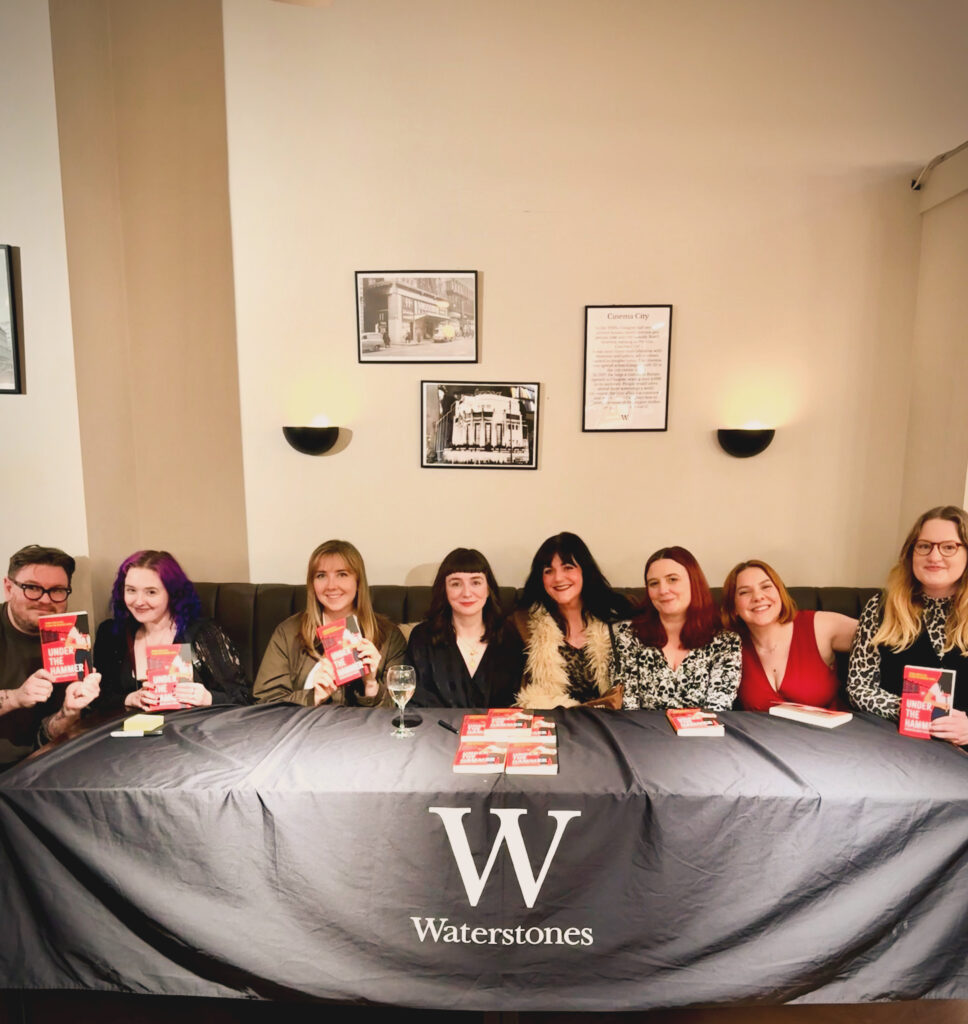
I have writer friends who I love talking about writing with. But when I’m deep in a project, I don’t want to go into the weeds about the process because it’s already all I’m thinking about, all of the time. What I want is to socialise, to yap, gossip and discuss books that have nothing to do with me. That’s what I do with Feast and Fiction. I’m lucky that the group has moved from being strangers I talk to about books, to friends I talk to about life and who were all thanked in the acknowledgements of Under the Hammer. They are now a fundamental part of both my social life and my writing journey.
Everything you do around the time you’re writing a book will influence the writing, from the time of day you can fit in getting 1,000 words down, an argument you overhear on the train, what you’re watching on television, a painting you saw in a gallery, who you’re spending time with. Like the characters in the books the group make me read, there is also something vampiric about being a writer: drawing nourishment from the world around you whether they like it or not. Feast and Fiction has been a generous host. Under the Hammer wouldn’t be the book it is without them.
Under the Hammer is available in eBook, audiobook and paperback now.