
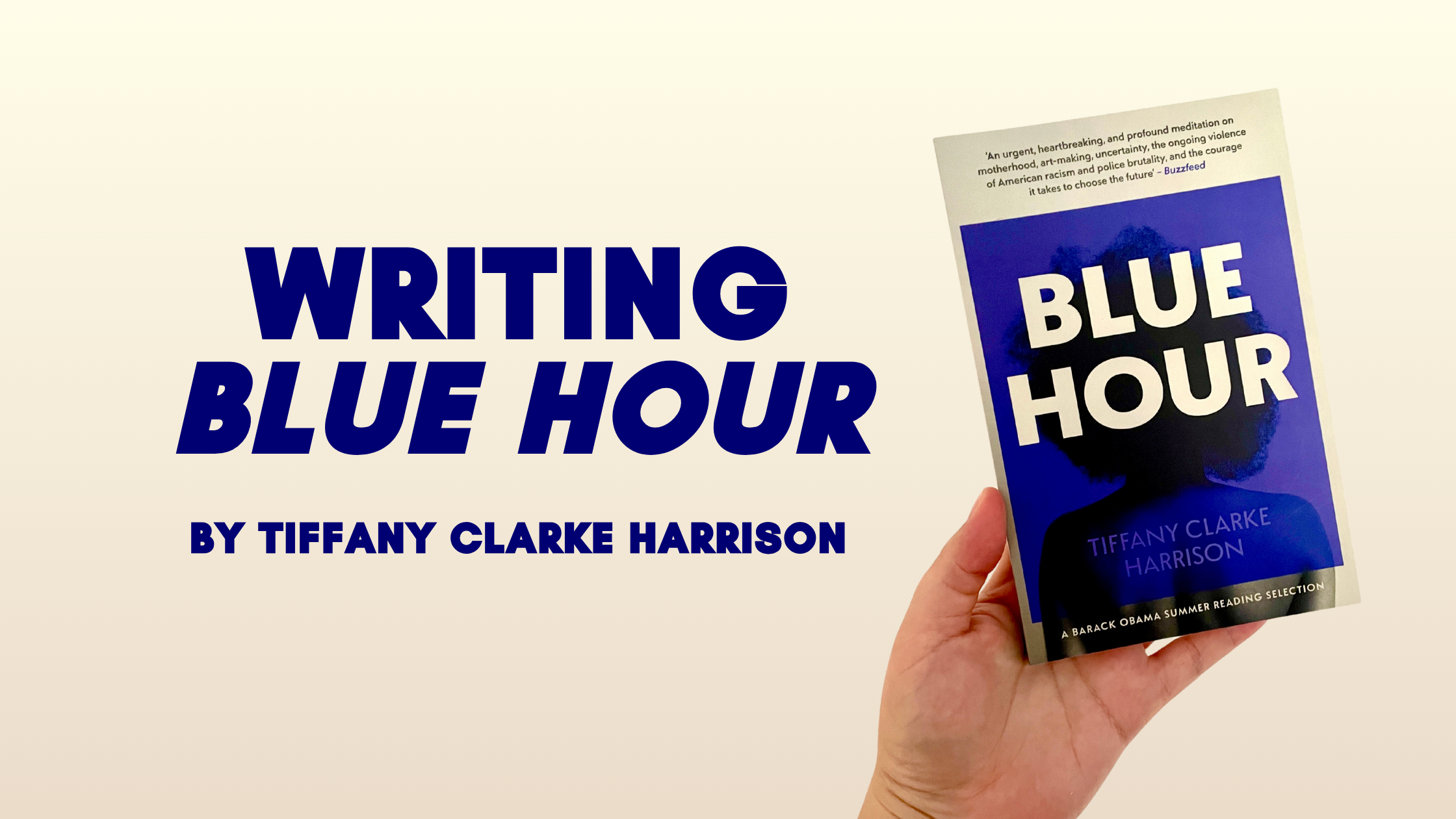
Blue Hour started, as many things do, with a kernel of an idea. I knew I wanted to write a story about a multi-ethnic couple in which the wife was uncertain about having children. I’d had this image of a couple in my head for a while and was excited to start creating their personalities and world. About thirty pages in, I wasn’t sure where the story was going and put the draft away for about a year. Then, Michael Brown was killed by police. I remember reading comments on Facebook, people passing harsh judgment on this human being, and thinking “this is what they think of my son.” This all happened around my son’s fifth birthday, and I immediately knew the reason why the wife of my novel didn’t want to bring a child into this world.
For me to fully understand my main character, her exterior and interior worlds, I needed to build trust with her. I think of characters as real people, and for her to trust me with her story I had to show that I was open to her real story, no matter how uncomfortable it may be. Usually once I begin writing and my character reveals that first uncomfortable act or word, and I don’t shy away from it, it’s like my character thinks, “yes, she’s all in with me. Here we go…”
My writing process is steeped in embodiment. I allow myself to “go there” into my hard memories and bring that energy to my character. This also allows me to get into the physical body of the character, so they show up on the page as real people. I encourage my coaching clients to do the same in their work, allowing their emotional intensity to connect with that of the character. It’s why readers have said reading my work is like watching a movie. Blue Hour took about 6 years from start to finish, with large breaks in between. I don’t write every day, and sometimes go very long periods without working on a manuscript. I can be halfway through a draft and decide to put it away for a while or to finish within a certain timeframe. I finished the last half of Blue Hour in a couple months where the first half took a couple years. Once done, I took it from a more traditional structure to fragmentary, cutting about 50k words. I was ruthless about it. Every word counts, and when you are writing a book that sounds and feels like poetry and music, and is choppy because the structure reflects the narrator’s mental and emotional state, every word really counts. I didn’t want even an extra sentence or syllable. I often hear the rhythm of a sentence before I know the words, so if it didn’t fit the rhythm, it was gone.
It’s this intense vulnerability and submission to the story that I believe pulls my right readers in… including Barack Obama! I’m still not over that, nor will I ever be. The day I found out was so surreal. My son (fourteen at the time) kept saying, “Obama knows who you are.” That is the part that gets me. For a period of time, my words were in his head. My characters were in his heart. And I think about it now, how a piece of Blue Hour was born from my son. My son. I was three months pregnant with him in January 2009, watching Obama’s inauguration and thinking, smiling, “my Black son will be born with a Black president in the White House.” Goodness.
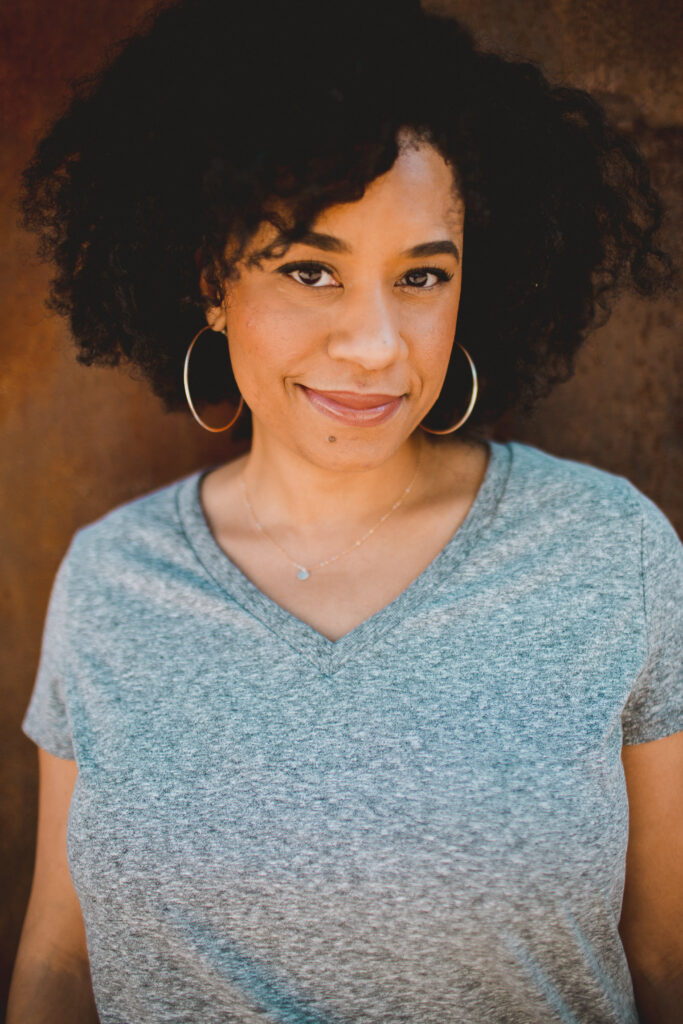
Tiffany Clarke Harrison, Author & Book Coach
Blue Hour, Barack Obama 2023 Summer Reading List and Vulture, Best Books of 2023