
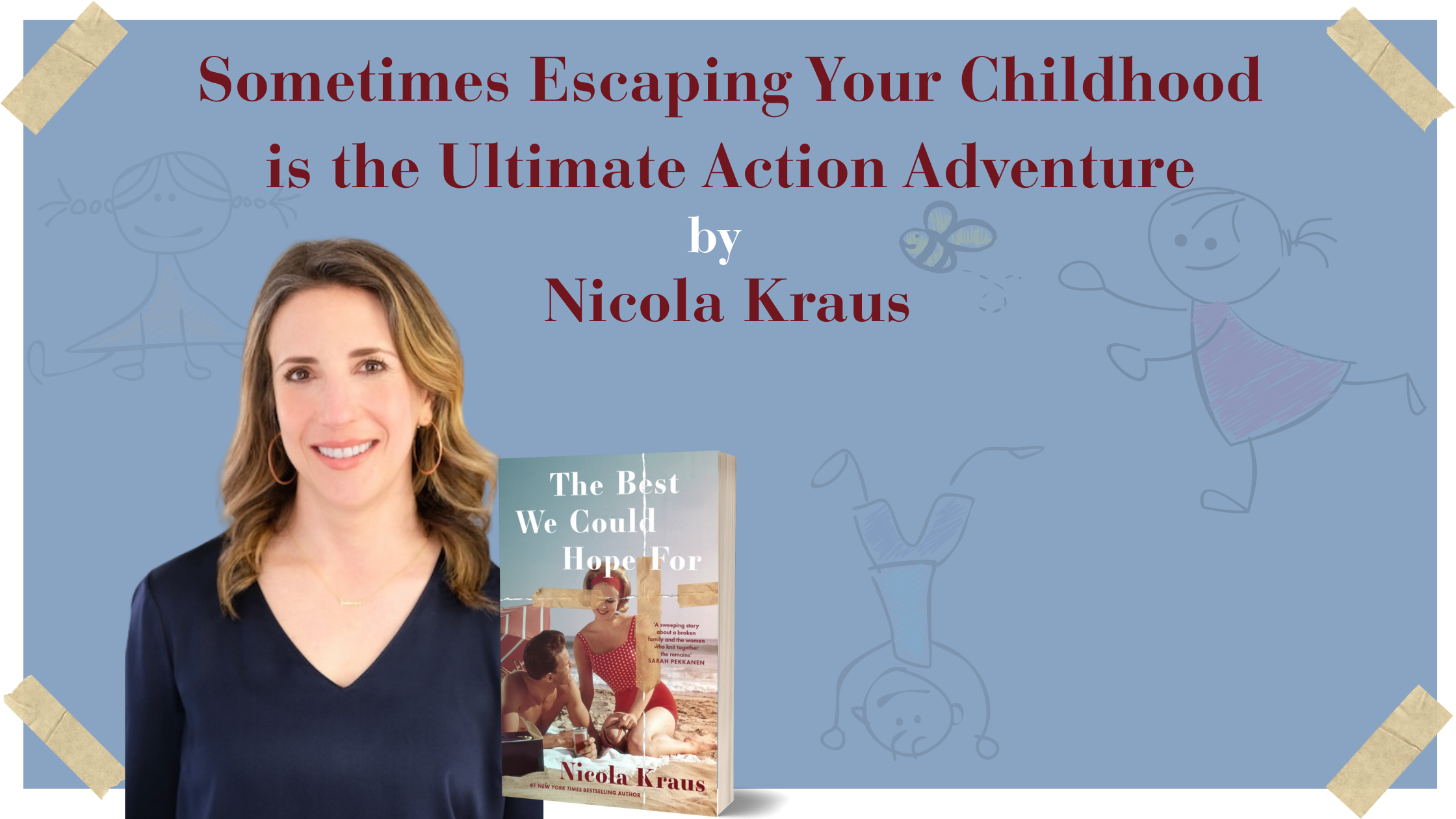
There is a trope in Hollywood about the importance of trapping your characters. The idea being that when we feel trapped our behaviour is heightened, our choices get bigger and the stakes automatically rise. Perhaps this is why I’ve always loved reading and writing about children in unhealthy families, because those characters are always stuck.
Watching them try to fight the system, buck the system, or simply endure the system is compelling because status is never on their side. Frequently they have no real choice but to run or move away, like Jeanetter Winterson or Caitlin Moran, or wait out their eighteen year sentence. And then – and this is key – try not to recreate the exact prison they just escaped.
In novels and plays, this childhood prison can take different forms. In the earliest books I fell in love with, it was the adults themselves who needed to be outrun, or outfoxed. Roald Dahl’s cast of magical misfits featured children like Matilda or the unnamed narrator of The Witches who were often in very real peril from truly terrible adults. Dahl wasn’t trying to sell children on the myth that adults knew better or that they represented blanket safety. His message seemed to be: adults can be dangerous, don’t you forget it.
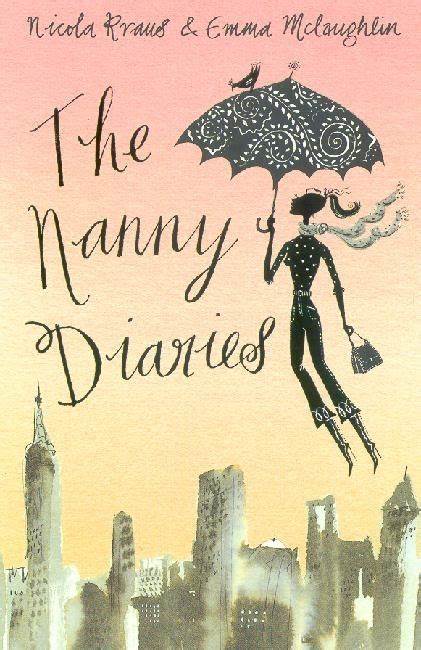
Sometimes the prison is the absence of adults. This is true in my novel, The Nanny Diaries, inspired by my own experiences as a nanny for wealthy families on New York’s Upper East Side who employed seven-day-a-week round-the-clock care for the children they never seemed to spend any time with. It was like The Secret Garden, but with far less fresh air.
Those experiences also called to mind, The Secret Diary of Adrian Mole, which I first read in second grade. Adrian was my original Humbert Humbert, a deliciously unreliable narrator who always had the wrong end of the stick as he tried to navigate his parents’ divorce and the ensuing neglect. Sue Townsend depicted the adults as forever elsewhere and her tour de force was managing to tell the story on both levels at once to a younger reader who was still always one step ahead of Adrian.
As I got older, I discovered work where the prison is your siblings. In the summer of 1994, I did a course at UCL. As part of the curriculum, we attended the Cheek by Jowl Theatre Company’s production of Measure for Measure. It was an extraordinary staging set in Nazi Germany. But what stayed with me was that, counter to the traditional depiction, the siblings were portrayed as despising each other. Isabella isn’t trapped by her faith, but rather it’s her familial obligations that force her to violate everything she holds dear for a brother who makes her sick.
It’s also possible to be incarcerated within your own mind, as in the case of the brilliant Eleanor Oliphant is Completely Fine. If you don’t do the work to break the cycles of dysfunction it is far too easy in adulthood to replicate the misery. To attract abusive partners, choose isolation, or judge others before risking vulnerability.
In my new novel, The Best We Could Hope For, I follow three generations of a family as some members recreate their wounds and others try to break free, to write a new narrative for themselves and their children. It starts as historical fiction but ends like an Escape Room because when it comes to this kind of psychological liberation, there is no time to waste.
Ultimately, long before I named the shape of my own incarceration, I identified that books themselves were an escape. They were a place I could hide for hours at a time, mapping my own path to adulthood. They contained characters who modeled
resilience – and craftiness. Who refused to accept that the past has to dictate the future, no matter how challenging the present.
For anyone who feels stuck with the family they were assigned, these characters, these books can be the family you choose. They can give you the advice you always needed, model the behavior you aspire to, find the humor you are craving, and above all, remind you that someday you, too, can get the f*ck out.
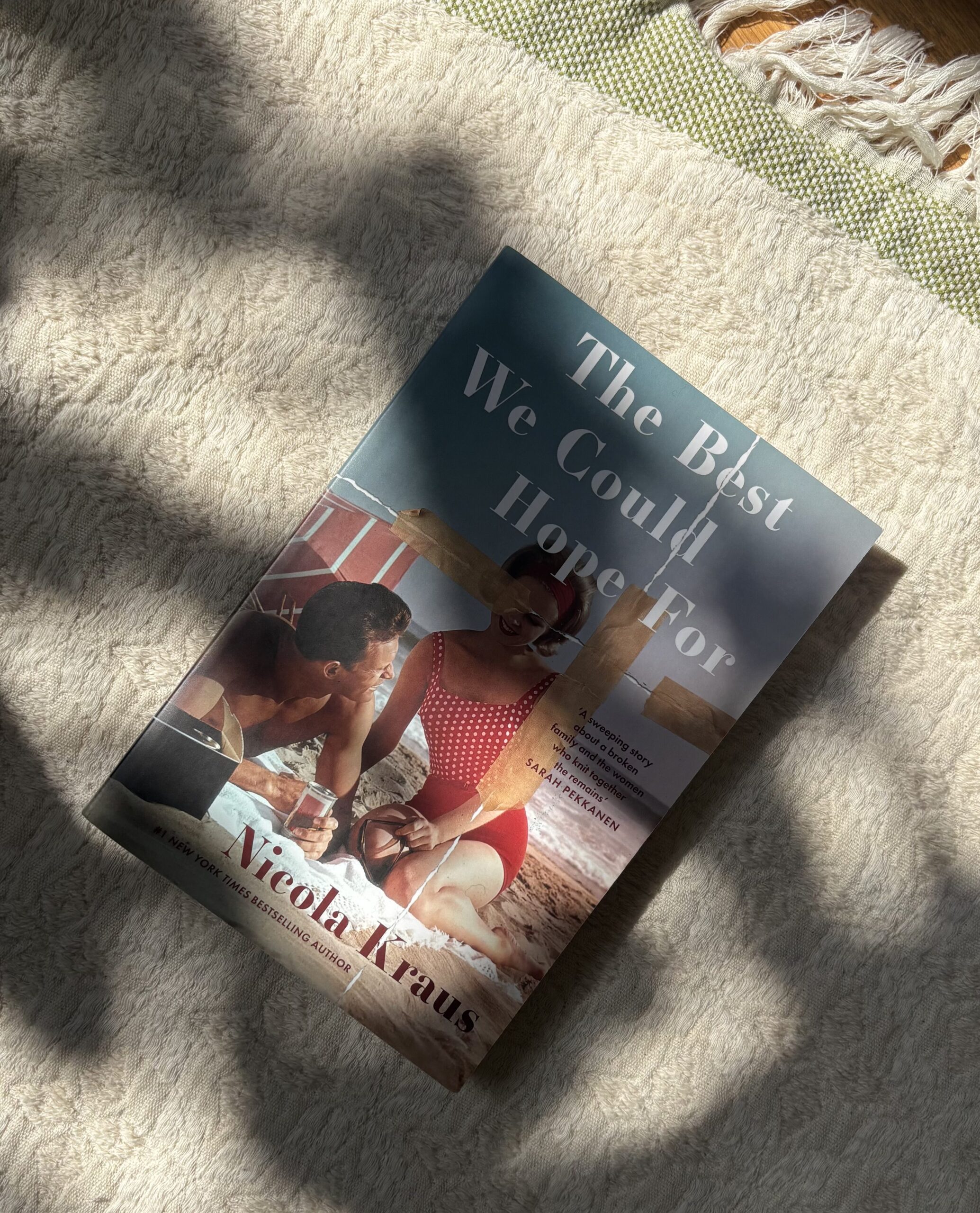
The Best We Could Hope for is available in all bookshops and shopping platforms such as bookshop.org, Waterstones and the VERVE Books website.