
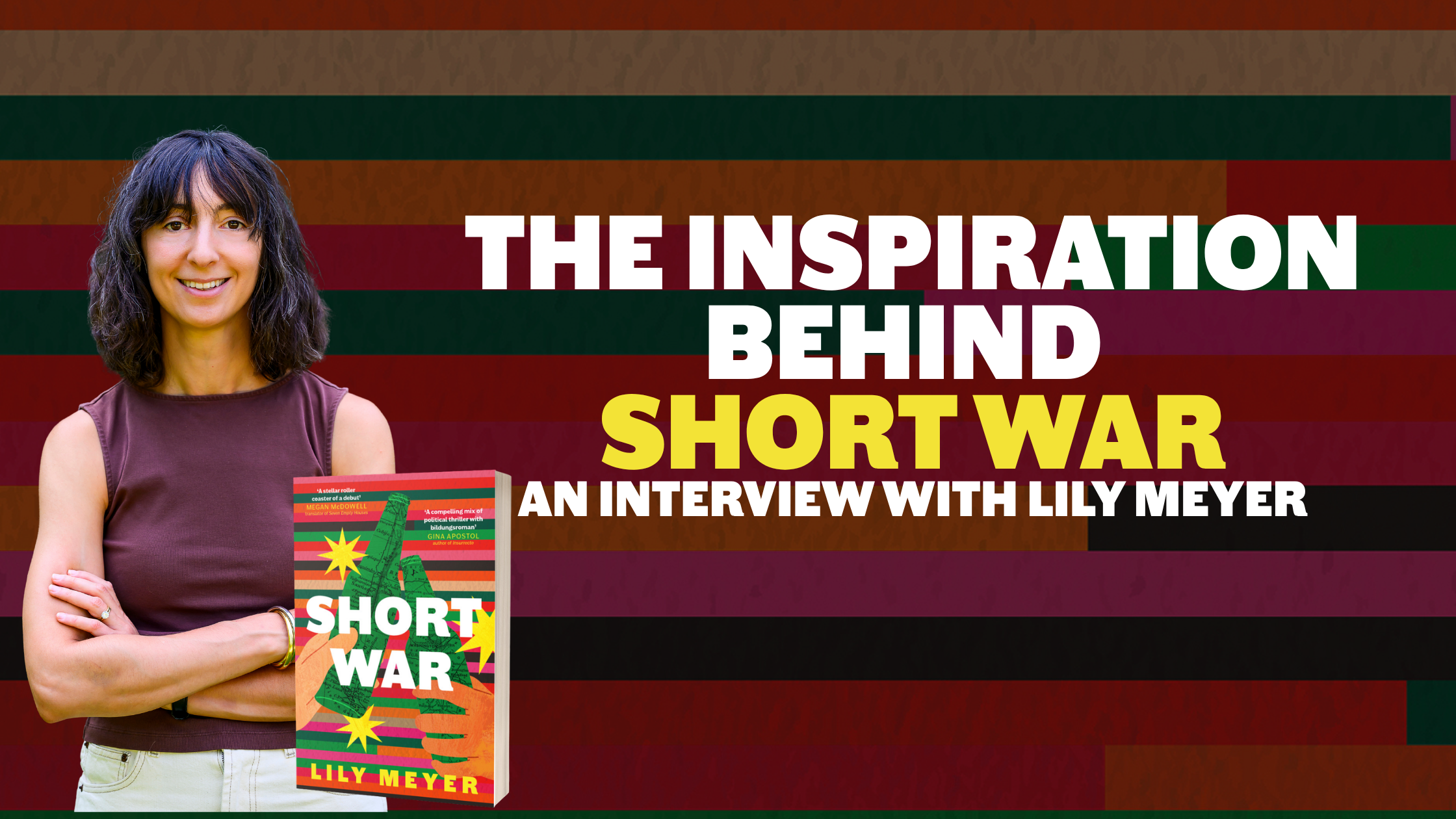
What inspired you to write Short War?
When I was 16, I did a student exchange program in Quillota, Chile. The year before I went, I took advanced US history at my high school – and yet I arrived in Chile without any idea that the United States had helped orchestrate a coup there, and then funded and colluded with the resulting dictatorship for 17 years. When I learned that, I was both horrified and extremely embarrassed not to have known. Those two emotions combined into the obsession with American interventionism in Latin America that led me to write Short War.
The US has intervened in numerous international affairs, why did you choose to write about this instance in history?
Because of my personal experience in Chile, and, eventually, because the Chilean story is a clearer one than some of the other stories of American intervention that I wanted to tell. I conceived Short War as a set of linked novellas about CIA meddling in Chile, Argentina and Uruguay – all countries where I’ve spent a lot of time; all countries where the US backed and facilitated atrocities – but it was just too much history for one novel. In Uruguay, the United States taught the state police to torture political prisoners; both there and in Argentina, the CIA provided computers, intelligence and other material support to regimes that repressed and disappeared their subjects. But in Chile, the intervention was even more severe, and so when I recognized I had to narrow the book’s scope, I narrowed it to Chile.
How did you find balancing the different elements of coming of age, family drama and mystery?
That came naturally! As a reader, I prefer books that tell more than one kind of story or draw on more than one genre, and so I instinctively did the same. The much, much, much bigger challenge was balancing the amount of history I included. Early drafts of this book taught the reader everything there was to know about the many left-wing groups that were active in Chile between 1970 and 1973, to the detriment of the plot.
What relevance does Short War have in the current political climate?
A lot, I’m sad to say. All you have to do is read the news about the US’s all-but-colonization of Venezuela – my friend Linda Kinstler wrote a great piece about this recently – or the damage US policy is doing to Cuba to understand that the days of immoral and at best dubiously legal American intervention in Latin America are far from done.
If readers could take away one thing from reading Short War, what would you want that to be?
No country is immune to violence or to fascism. It could happen to you. I live in Washington, DC, which is currently occupied by the National Guard – that is, by a branch of the United States Army, for no reason except that the president wants the city under military rule. As a form of repression, this is minor; it’s mostly for aesthetic effect. Still, it is repression, and thanks to the research I did to write Short War, I know to be afraid of how quickly it could get worse.
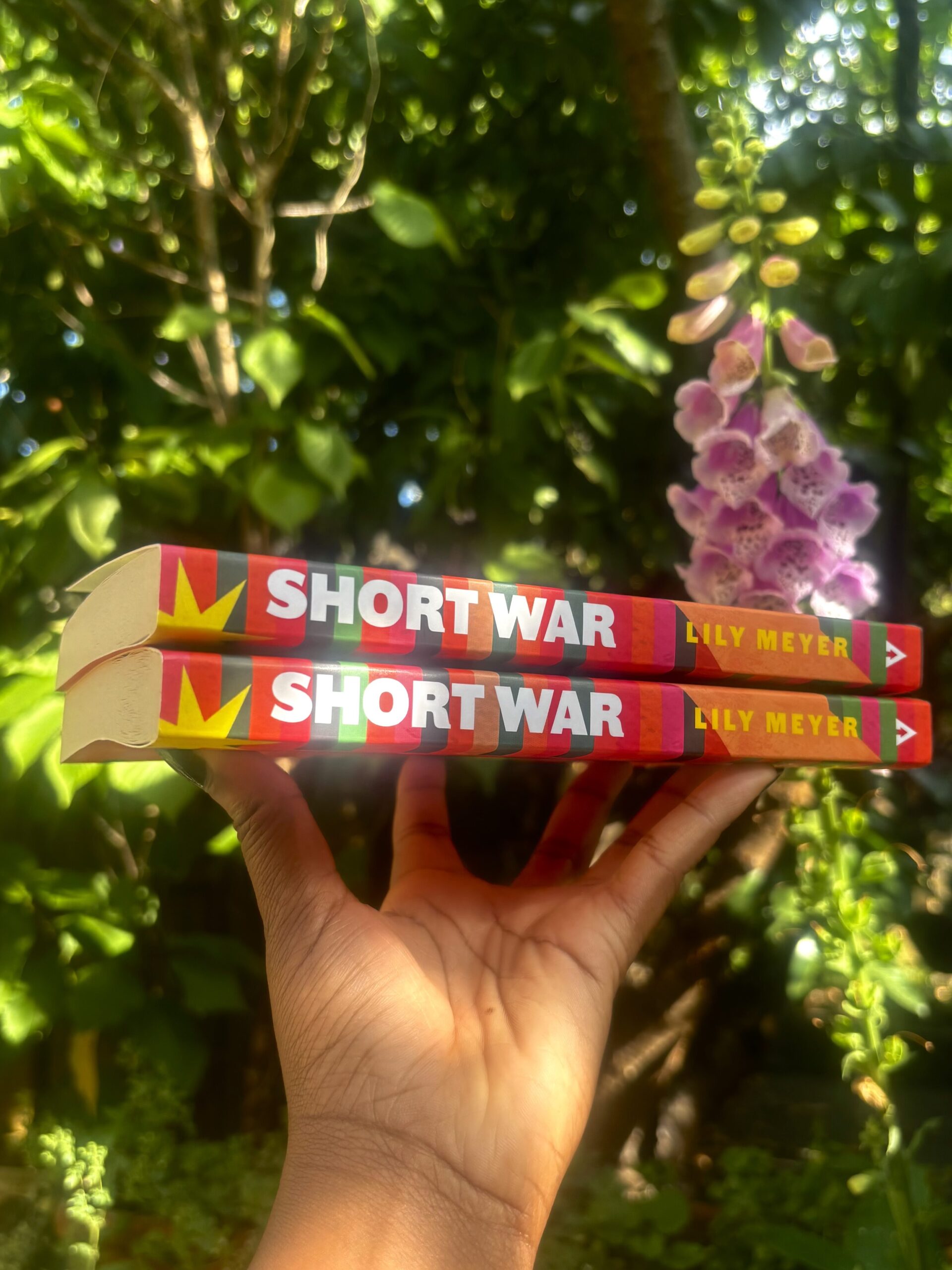
Short War by Lily Meyer is available in paperback and eBook now.