
It’s strange that the death of our parents is a natural thing. It’s strange to even write the words ‘death’ and ‘parents’ in the same sentence – admitting that these people who have produced your life will ultimately leave it. Yet, it is an inevitability, a rite of passage, something we are all supposed to go through.
It feels logical that those so much older than us should pass away first, so we might think that their passing won’t come as a huge shock. And if, like me, one of your parents falls seriously ill, you will begin to prepare for this departure even more, steeling yourself for it, since you keep telling yourself that it’s definitely coming.
Except, no matter how much you have rationalised it, how many ways you have threaded yourself through its certainties, their death always arrives with punishing force. Grief and bereavement can be all consuming and painful, packed with feelings you wish you could thrash your way out of if it wasn’t for the fact that they are the only things now keeping you connected to the person who is gone.
In the months after my mum died in 2013, I was wrestling with this sense of inevitability and disbelief. She died at 56 years old when I was 19. I was glad of the time I had with her and kept telling myself that things could be worse, but no matter the rationale, I was still angry at the world for taking her and astounded at the fact that this is something most people will
have to go through or already have done. Of course, everyone’s relationship with their families is different and those variations would alter the grieving process, but the finality of it seemed incomprehensible, regardless of the circumstance. There are no second chances in death.
I was left to grapple with the absence she had left behind. We had her things – her clothes, notebooks, hairbrushes and half-used makeup – but now they only served as reminders that she would no longer be there to pick them up and use them. Instead, as the years passed and I continued to manoeuvre my way through this colossal bereavement, I thought increasingly
about what it is that our families leave behind for us and what we can actually hold on to. The mementoes or sentimental objects, it turns out, can be fleeting. Instead, I realised the things that have stayed with me are my mum’s values, worldview, wisdom and stories: her voice in my mind.
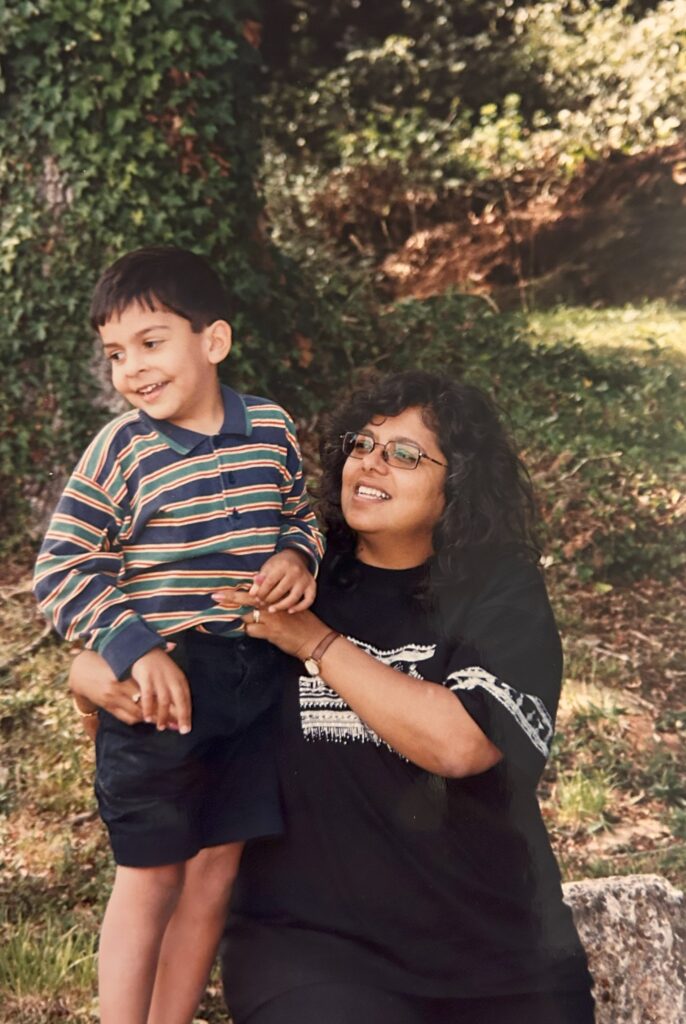
It was ultimately in these whispered, remembered stories that I found the most comfort. It was thinking of my mum’s childhood and her love of escaping a difficult home to sit under the trees in Osterley Park, thinking of her jumping around to Bob Marley in the living room, or her recounting family holidays with my dad when they were newly married that I saw her again as the person she was, the person whose DNA is inextricable from mine.
It was these stories that formed the foundations for my novel, A Person Is A Prayer. Telling the story of three siblings dealing with the loss of their parent, it examines how we can each understand a life and what it has given us, as well as how we can cope with its loss. No matter how inevitable it might seem. Writing the book became an act of remembrance not only for my mum but for all the family members I have lost – another story to add to the long line of tales that might be told long after we’re gone.
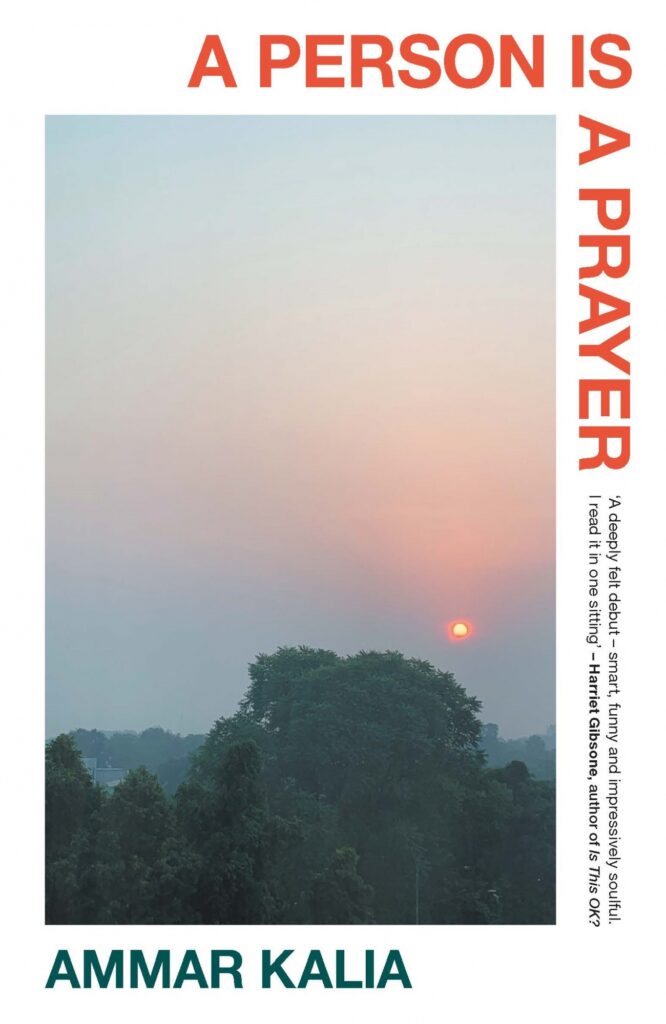
*A Person is a Prayer will be published 30th May in hardback*